
Hair loss is a common concern affecting millions of people worldwide. Whether caused by genetics, hormonal changes, or medical conditions, thinning hair and bald patches can significantly impact confidence and self image. Advances in hair restoration technology have made it possible to achieve natural, long lasting results with minimal downtime. Among these innovations, the DHI robotic hair transplant stands out as a precise and efficient solution. Increasing interest in DHI robotic hair transplant reflects growing demand for treatments that combine advanced technology with expert surgical expertise.
This article explores DHI robotic hair transplant technology, how it works, the procedure process, recovery expectations, and the results patients can anticipate.
Understanding DHI Robotic Hair Transplant
Direct Hair Implantation (DHI) is an advanced hair restoration technique that allows precise placement of hair follicles for natural density and growth. When combined with robotic assistance, the procedure gains even greater accuracy and efficiency.
What Is DHI Hair Transplant
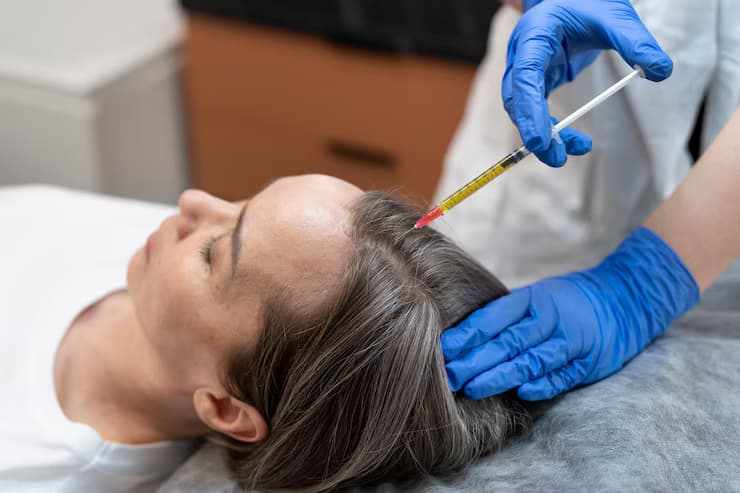
DHI involves harvesting hair follicles from a donor area, typically the back or sides of the scalp, and implanting them directly into thinning or bald regions using a specialised implanter pen. The robotic system assists in planning, harvesting, and implanting follicles with consistent precision.
This technology ensures optimal hair angle, depth, and orientation, which are crucial for achieving natural results.
How Robotic Assistance Enhances DHI
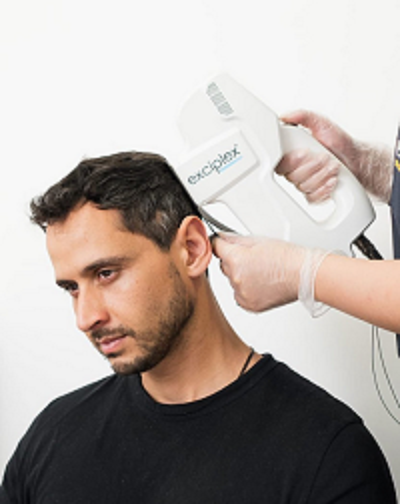
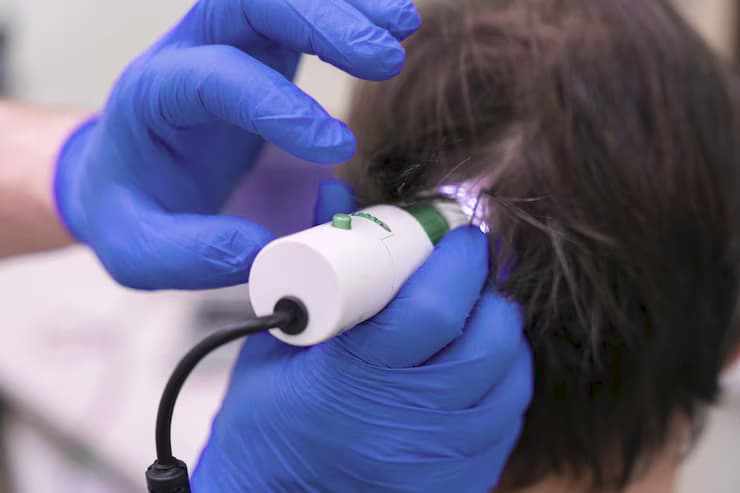
Robotic systems use advanced imaging and automation to assist the surgeon in extracting and placing follicles accurately. The robot analyses scalp density, direction of growth, and donor quality, guiding the surgeon to achieve uniform and realistic hair distribution.
The combination of DHI technique and robotic precision reduces human error and improves overall outcomes.
Who Is Suitable for DHI Robotic Hair Transplant
Not everyone is an ideal candidate for hair transplantation. Proper assessment is essential.
Ideal Candidates
Individuals experiencing male or female pattern hair loss, thinning hair, or bald patches may benefit from a DHI robotic hair transplant. Suitable candidates typically have healthy donor hair and realistic expectations regarding outcomes.
When DHI May Not Be Suitable
Those with insufficient donor hair, certain medical conditions, or unrealistic expectations may not be suitable. A professional consultation ensures the procedure aligns with individual needs and safety considerations.
The DHI Robotic Hair Transplant Procedure
Understanding the procedure helps patients feel informed and confident.
Initial Consultation and Planning
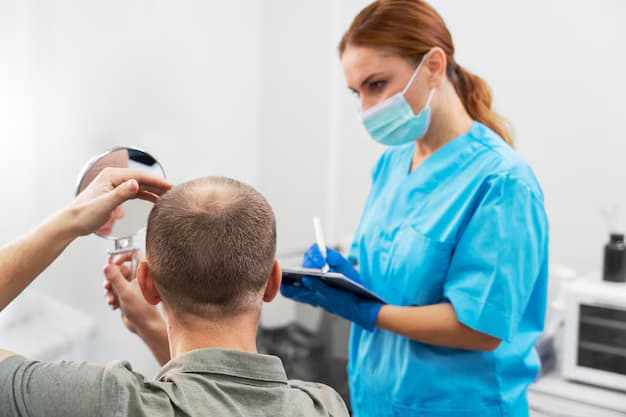
The process begins with a comprehensive consultation. Hair loss patterns, donor area quality, and aesthetic goals are assessed. The surgeon uses advanced imaging and planning software to design a personalised treatment plan.
Harvesting Donor Hair
The robotic system assists in extracting healthy hair follicles from the donor area using precision instruments. Each follicle is carefully preserved to ensure high survival rates.
Implanting Hair Follicles
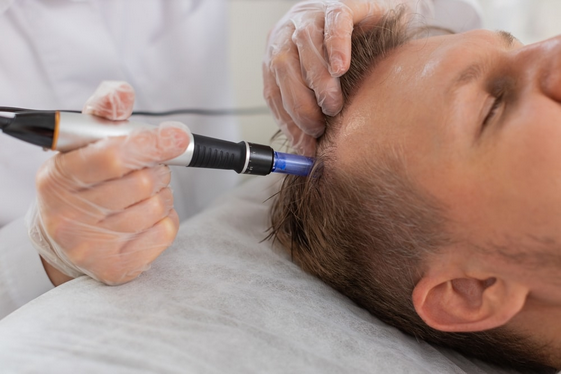
The extracted follicles are implanted directly into thinning or bald areas using the DHI implanter pen. Robotic guidance ensures correct angle, depth, and spacing for a natural hairline and density.
Duration of the Procedure
The procedure may take several hours depending on the number of grafts required. Robotic assistance can improve efficiency, reducing the overall procedure time compared to traditional methods.
Recovery and Aftercare
Recovery is a crucial part of the hair transplant journey.
Immediate Post Procedure Effects
Mild redness, swelling, and scabbing may occur in the treated areas. These effects are temporary and typically resolve within a few days.
Returning to Daily Activities
Most patients can resume normal activities within a few days, although strenuous exercise and direct sun exposure should be avoided initially.
Supporting Hair Growth
Following aftercare guidance, including gentle scalp care, avoiding trauma, and adhering to prescribed hair care routines, supports optimal follicle survival and growth.
Results and Timeline
DHI robotic hair transplant delivers natural, long lasting results with gradual improvement.
Initial Shedding Phase
Transplanted hairs may shed within the first few weeks. This is a normal part of the hair growth cycle and does not indicate treatment failure.
New Hair Growth
New hair typically begins to grow after three to four months. Growth gradually continues, leading to visible improvement in density and coverage.
Full Results
Most patients achieve optimal results between nine and twelve months after the procedure. Hair appears natural, blends seamlessly with existing strands, and grows like native hair.
Advantages of DHI Robotic Hair Transplant
This technique offers multiple benefits compared to traditional methods.
Precision and Accuracy
Robotic assistance ensures consistent follicle placement, optimal density, and natural hair orientation. This level of precision is difficult to achieve with manual methods alone.
Minimal Invasiveness
DHI avoids large incisions and stitches, reducing scarring and allowing faster recovery. The procedure is less invasive than traditional strip harvesting techniques.
Enhanced Survival Rate
Robotic extraction and implantation reduce trauma to follicles, improving survival rates and overall effectiveness.
Natural Hair Results
Careful planning and precise implantation create a natural hairline, smooth density transitions, and hair that grows in the correct direction, angle, and pattern.
Safety and Professional Expertise
Successful outcomes depend on professional expertise and adherence to safety protocols.
Importance of Skilled Surgeons
Robotic systems assist but do not replace clinical expertise. Experienced surgeons are essential for evaluating candidates, designing treatment plans, and overseeing the procedure.
Managing Risks and Side Effects
DHI robotic hair transplant is generally safe, with minimal risk of infection, scarring, or complications when performed by qualified professionals.
Why DHI Robotic Hair Transplant Is Popular
Interest in advanced hair restoration solutions continues to grow.
Demand for Natural Results
Patients increasingly prefer subtle, authentic outcomes rather than exaggerated density or unnatural hairlines. DHI robotic hair transplant delivers these results effectively.
Advanced Technology in Hair Restoration
Combining surgical skill with robotic precision represents the cutting edge of hair restoration. Patients benefit from modern techniques and enhanced accuracy.
Making an Informed Decision
Choosing a DHI robotic hair transplant is a personal decision that requires careful consideration.
Consultation and Assessment
A thorough consultation helps determine candidacy, expectations, and treatment goals. Open discussion ensures realistic outcomes and patient satisfaction.
Commitment to Recovery and Maintenance
Following aftercare guidance, attending follow up appointments, and maintaining scalp health supports long term results.
Conclusion
DHI robotic hair transplant represents a significant advancement in hair restoration technology, combining the precision of robotics with the expertise of skilled surgeons. By ensuring accurate follicle extraction and implantation, it delivers natural looking, long lasting hair growth with minimal downtime and scarring. For individuals seeking cutting edge hair restoration solutions, this procedure offers a reliable, effective, and tailored approach.
For those interested in professional DHI robotic hair transplant services, Este Medical Group Birmingham provides expert assessment, personalised treatment plans, and advanced technology to achieve natural and satisfying hair restoration results.



Write a comment ...