
Hair loss affects millions of people worldwide, and for many, it can impact self-confidence and overall wellbeing. While surgical options such as hair transplants are available, non-surgical treatments have become increasingly popular due to their minimal invasiveness, lower risk, and ability to address hair thinning early. This article explores non-surgical hair loss solutions available at a hair clinic Birmingham, including treatment types, effectiveness, and factors to consider when choosing a clinic.
Understanding Non-Surgical Hair Loss Treatments
Non-surgical hair loss treatments aim to slow hair thinning, stimulate hair regrowth, and improve hair density without the need for surgery. These treatments can be suitable for both men and women experiencing various types of hair loss.
Types of Hair Loss
Before considering treatment options, understanding the type of hair loss is important. Common types include:
Androgenetic alopecia, also known as male or female pattern baldness
Telogen effluvium, temporary hair shedding often caused by stress, illness, or medication
Alopecia areata, an autoimmune condition causing patchy hair loss
Traction alopecia, hair loss from consistent pulling or tension on hair
Identifying the cause helps determine the most effective treatment plan.
Popular Non-Surgical Hair Loss Treatments
Birmingham hair clinics offer a variety of non-surgical options to manage hair thinning and stimulate regrowth.
Topical Treatments
Topical treatments are applied directly to the scalp to improve hair density and reduce hair shedding.
Minoxidil
Minoxidil is a well-known topical solution that helps increase blood flow to hair follicles, promoting growth. It is often used for androgenetic alopecia and requires ongoing use to maintain results.
Hair Growth Serums
Clinics may offer serums containing vitamins, peptides, or plant extracts designed to nourish the scalp and support hair follicle health. These serums are often used in combination with other treatments for enhanced effects.
Oral Medications
Oral medications can target the underlying causes of hair loss, particularly hormonal imbalances.
Finasteride
Finasteride is commonly prescribed for male pattern hair loss. It works by reducing the conversion of testosterone to dihydrotestosterone, a hormone that contributes to follicle shrinkage.
Nutritional Supplements
Supplements containing biotin, zinc, iron, and other nutrients can support healthy hair growth, especially in cases where deficiencies contribute to thinning.
Low-Level Laser Therapy
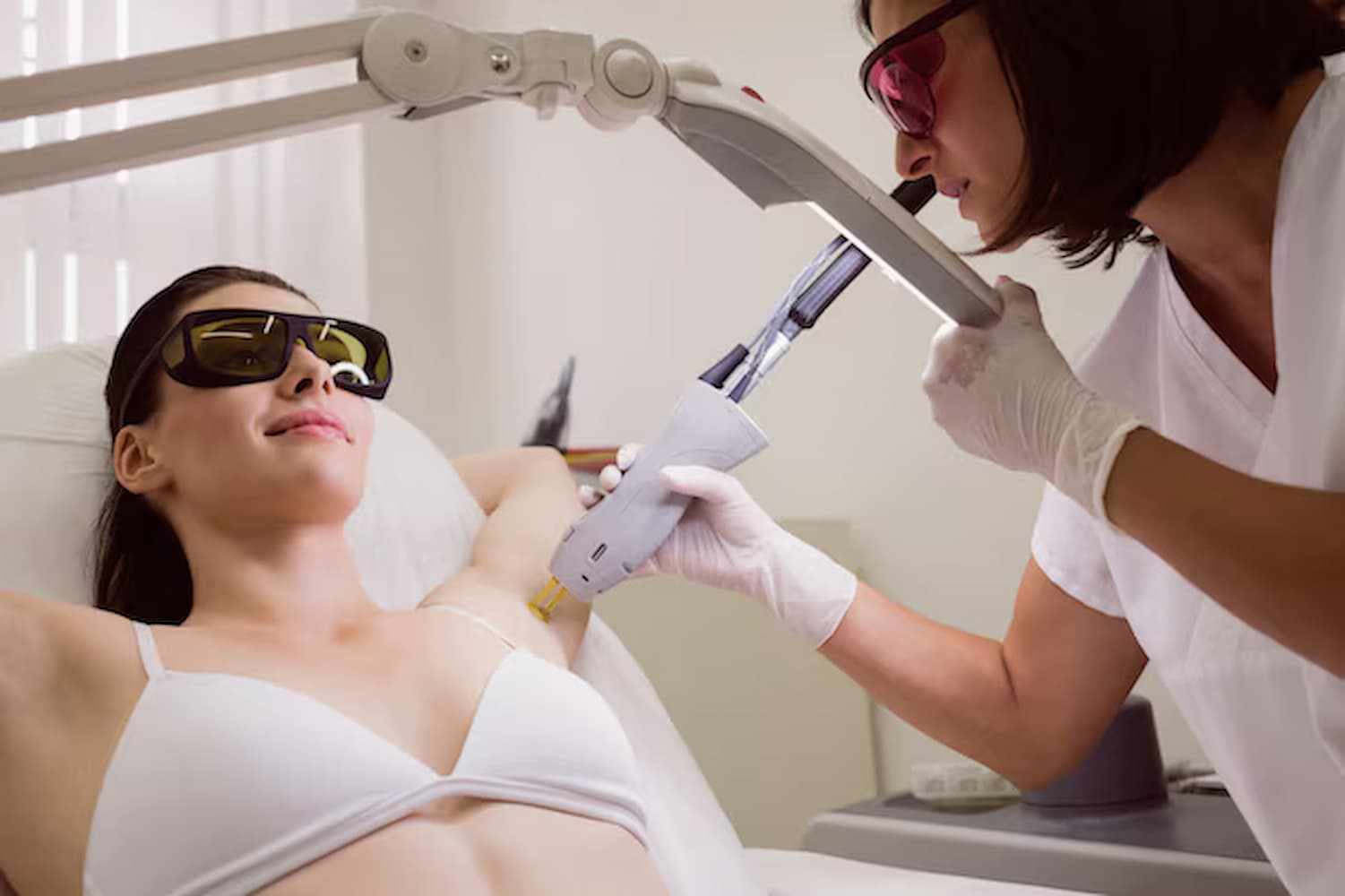
Low-level laser therapy, also known as red light therapy, stimulates hair follicles using specific wavelengths of light. This encourages growth, strengthens existing hair, and can improve overall hair density. It is a non-invasive treatment with minimal discomfort and no downtime.
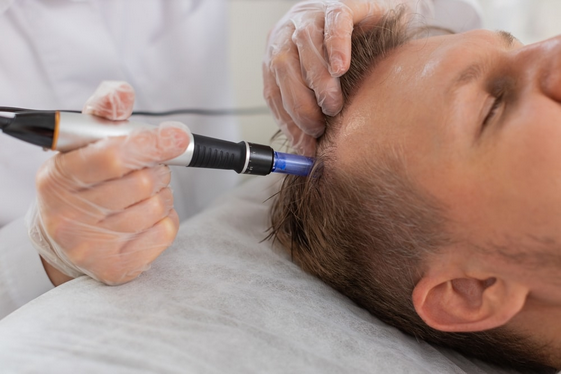
Platelet-Rich Plasma Therapy
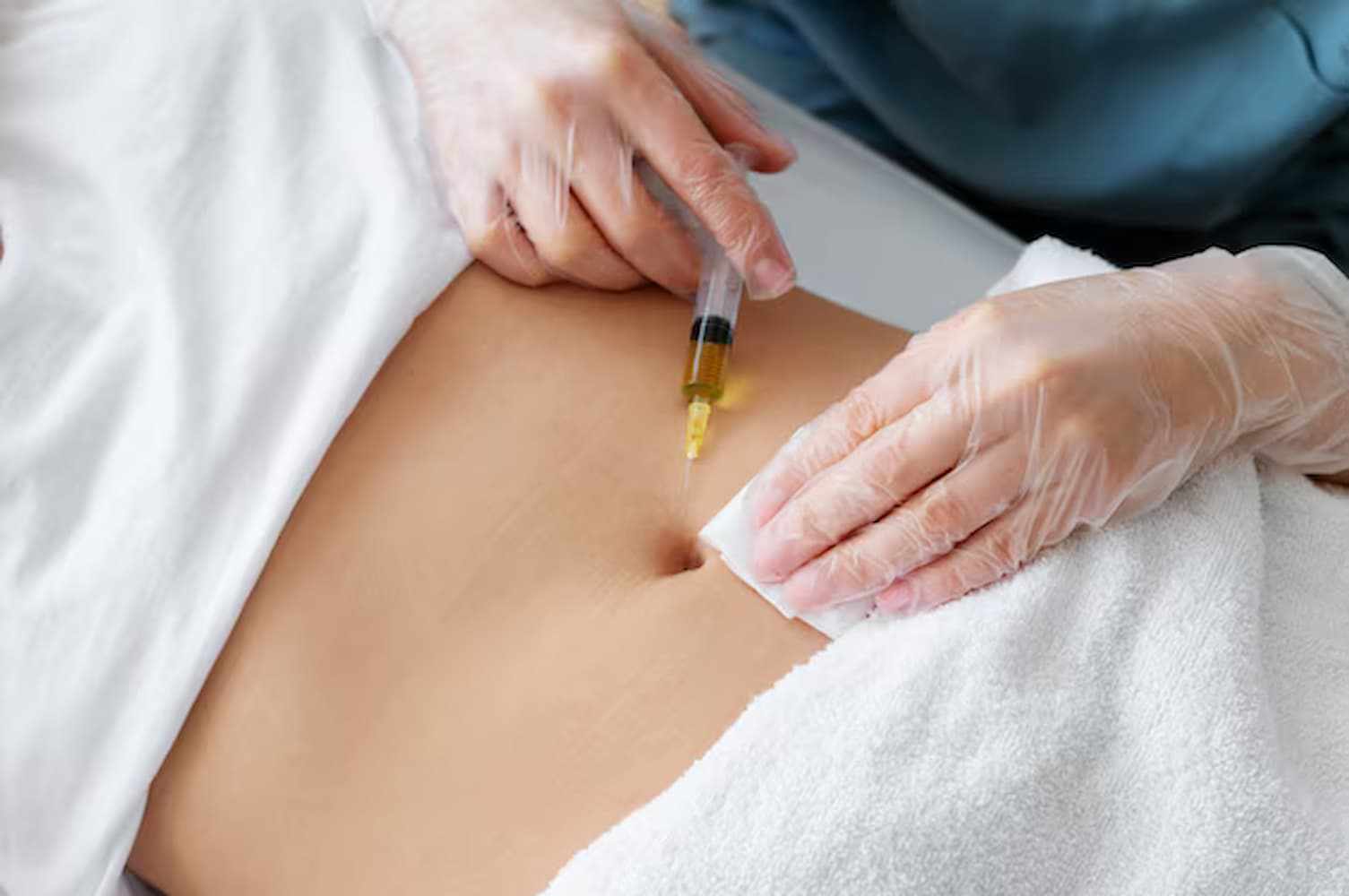
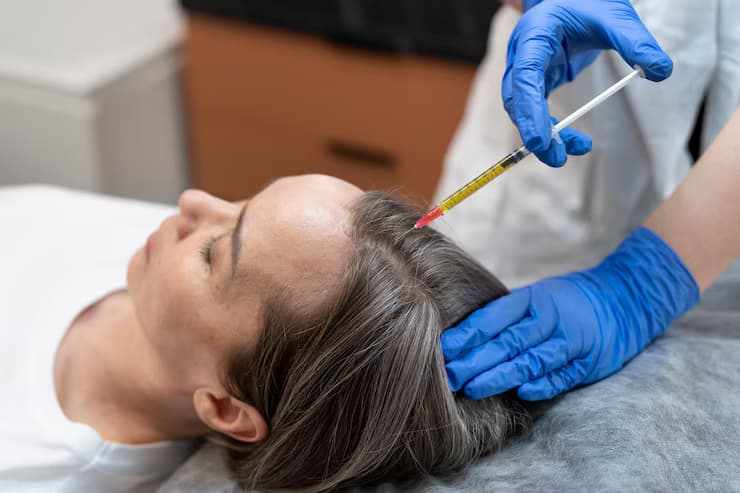
PRP therapy involves using a patient’s own blood plasma, which is rich in growth factors, to stimulate hair follicles. The plasma is injected into areas of thinning to promote hair growth and improve scalp health. Multiple sessions are typically recommended for optimal results.
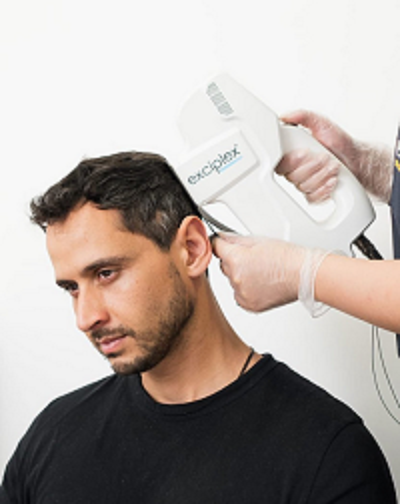
Exosome Stem Cell Therapy
Exosome stem cell therapy is a newer non-surgical option that uses extracellular vesicles derived from stem cells to promote cellular regeneration in the scalp. This therapy may enhance follicle activity and support hair regrowth in areas of thinning.
Factors Influencing Treatment Effectiveness
The success of non-surgical hair loss treatments depends on several factors.
Type and Stage of Hair Loss
Early intervention generally yields better results. Treatments are most effective when hair follicles are still active and have not undergone permanent miniaturization.
Individual Response
Hair regrowth varies among individuals due to genetics, hormone levels, age, and overall health. Some may experience noticeable results quickly, while others require longer periods of consistent treatment.
Combination Therapy
Many clinics recommend combining multiple non-surgical approaches, such as topical treatments with PRP or laser therapy, to maximize results. Personalized treatment plans are tailored to the individual’s type of hair loss and goals.
What to Expect During a Clinic Visit
Visiting a hair clinic in Birmingham typically involves a thorough assessment and consultation.
Scalp Analysis
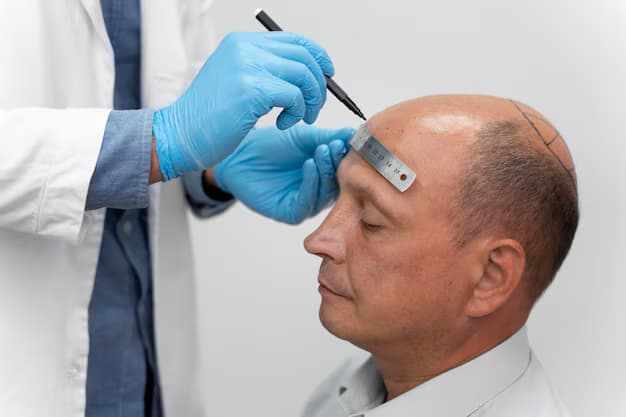
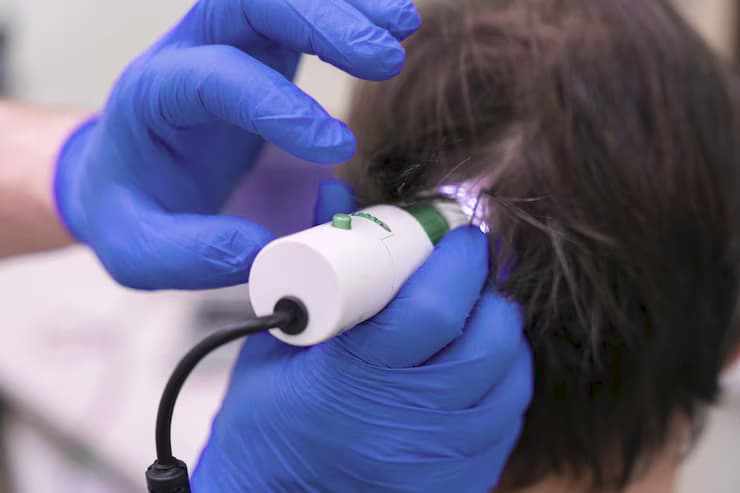
Clinicians may use tools such as dermoscopy or digital scalp imaging to evaluate hair density, follicle health, and areas of thinning. This helps create a targeted treatment plan.
Medical History Review
Understanding a patient’s medical background, lifestyle factors, and family history of hair loss allows practitioners to identify potential contributing factors and determine the most appropriate treatments.
Customized Treatment Plan
Based on assessment results, clinics develop a personalized plan that may include a combination of topical treatments, oral medications, laser therapy, and injections. The plan includes session frequency, expected outcomes, and follow-up monitoring.
Benefits of Non-Surgical Hair Loss Treatments
Non-surgical options offer several advantages compared to surgical interventions.
Minimal Invasiveness
Most treatments do not involve surgery, anesthesia, or incisions, reducing the risk of complications.
Gradual and Natural Results
Results are often gradual, allowing hair to regrow naturally. This approach avoids abrupt changes and produces a subtle enhancement of hair density.
Reduced Downtime
Patients can continue daily activities immediately after most non-surgical treatments. Some therapies, like PRP, may involve minor redness or swelling at the injection site, but these effects are temporary.
Flexibility
Non-surgical treatments can be combined with other hair restoration techniques if necessary. This flexibility allows patients to adjust their plan based on response and goals.
Cost Considerations at Hair Clinics in Birmingham
The cost of non-surgical hair loss treatments can vary based on the clinic, treatment type, and number of sessions required.
Consultation Fees
Initial consultations may have a fee, though some clinics include this in the overall treatment package. A consultation ensures the recommended plan aligns with the patient’s goals and health needs.
Treatment Costs
Pricing depends on the type of therapy and the number of sessions. For example, topical treatments and supplements have ongoing costs, while PRP or exosome therapy may involve higher one-off or series fees.
Package Deals
Many clinics offer packages for multiple sessions or combined treatments, which can provide better value and structured care over time.
Long-Term Investment
Consistent treatment is often necessary to maintain results. While non-surgical options may require ongoing commitment, the cost is typically lower than surgical hair restoration procedures.
Choosing the Right Hair Clinic in Birmingham
Selecting the right clinic is crucial for safe and effective hair loss treatment.
Practitioner Expertise
Ensure the clinic employs experienced clinicians with expertise in hair restoration and non-surgical treatments.
Technology and Equipment
Ask about the types of lasers, PRP systems, or exosome technologies used. Advanced and approved devices often deliver better results.
Reviews and Testimonials
Patient experiences and reviews provide insights into clinic reliability, professionalism, and treatment satisfaction.
Comprehensive Consultation
A good clinic should offer a thorough assessment and personalized plan rather than a generic treatment approach.
Conclusion
Non-surgical hair loss treatments provide effective options for individuals looking to address thinning hair without surgery. Clinics offering hair clinic Birmingham services provide a range of solutions including topical treatments, oral medications, low-level laser therapy, PRP, and exosome stem cell therapy.
The effectiveness of these treatments depends on factors such as hair loss type, early intervention, individual response, and adherence to a treatment plan. While costs vary based on treatment type and clinic, non-surgical options offer a less invasive, flexible, and accessible approach to hair restoration. By selecting a reputable clinic with experienced practitioners and advanced technology, patients can achieve meaningful improvements in hair density and confidence.
This guide helps prospective patients understand the range of non-surgical solutions available, the factors affecting treatment effectiveness, and what to consider when choosing a clinic in Birmingham.



Write a comment ...